A Practical Guide To Setting Up A Simple Shared Household Calendar Display
A practical step-by-step guide to a practical guide to setting up a simple shared household calendar display, including preparation, instructions, common issues, tips, and next steps.
A Practical Guide To Setting Up A Simple Shared Household Calendar Display
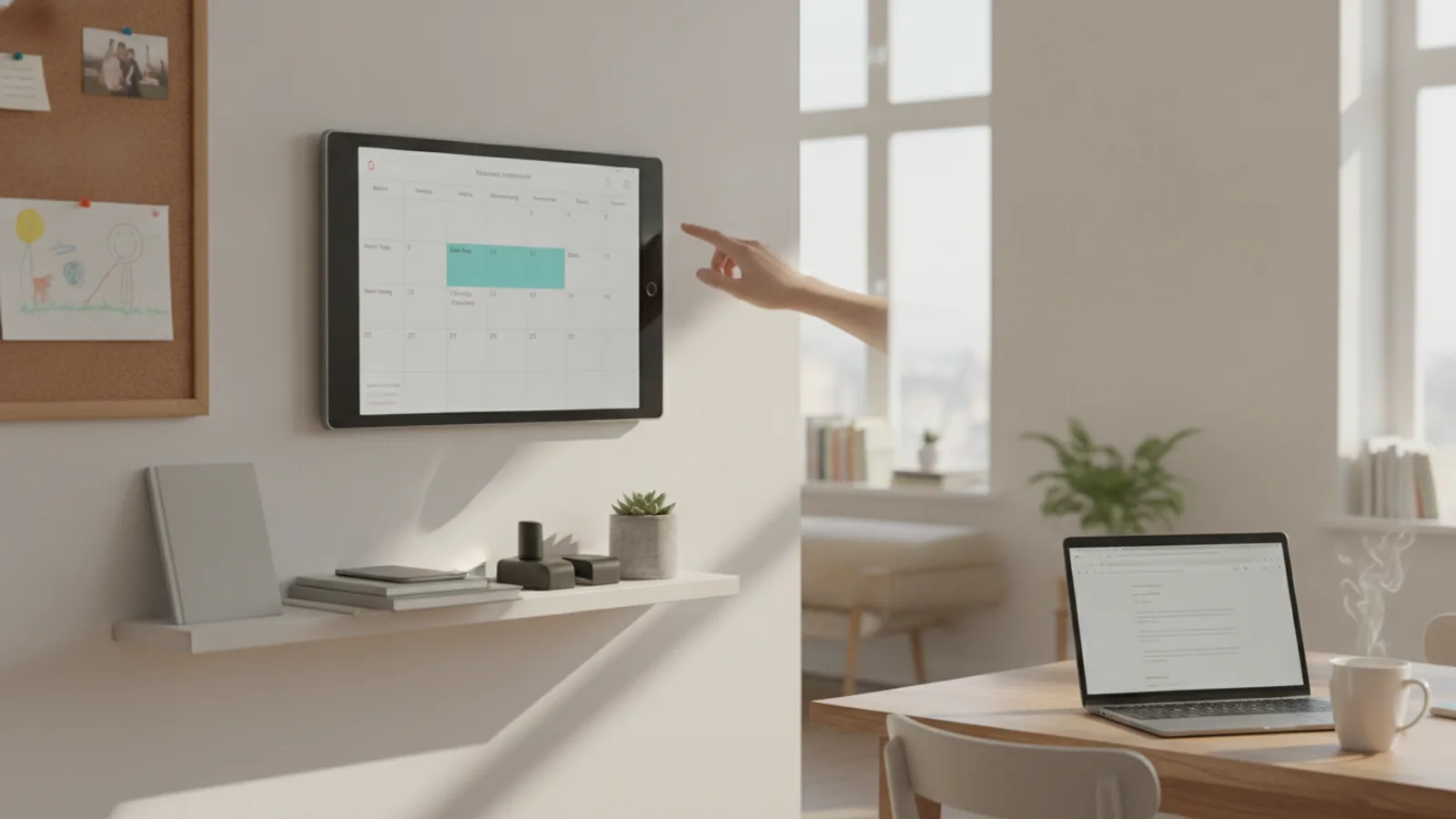
This guide explains how to set up a simple shared household calendar display using an old tablet or a dedicated low-cost screen. You will learn to choose a suitable device, select a calendar app that supports sharing, configure the display to show the household calendar, and mount it in a central location. The process involves creating a shared calendar, adding family members, adjusting privacy settings, and enabling a full-screen always-on display. The guide also covers troubleshooting common issues such as display sleep and syncing problems, and provides tips for advanced customization like using a dedicated email address for the calendar. By the end, your household will have a central, always-visible schedule that reduces conflicts and keeps everyone informed.
Fast Answer
- Designate an old tablet or a small, inexpensive screen as the dedicated household calendar display.
- Use a freely available calendar service that supports sharing, and create a new calendar specifically for household events, then share it with all members.
Before You Start
- Select a device: an old tablet, a laptop with a screen, or a small dedicated display that can be left plugged in and mounted on a wall.
- Ensure the device has a stable power source and can stay on for long periods without overheating.
- Create a dedicated email address for the household calendar if you prefer to keep personal accounts separate.
- Have access to the account credentials for the calendar service you plan to use, and ensure all household members can receive the sharing invitation.
Step-by-Step Instructions
Choose the Right Device and Location
Pick a device that is no longer used for personal tasks, such as an old tablet or an unused laptop. The device should be able to stay plugged in and run continuously without becoming too hot. A screen between 7 and 15 inches is ideal for a kitchen or hallway wall mount. Place the display in a central area where family members often pass, like the kitchen or near the front door. Ensure there is a power outlet nearby and that the device can be safely mounted at eye level. If you plan to mount it on a wall, use a sturdy bracket or a wall-safe adhesive that can hold the device's weight. Check that the device's screen is visible from common angles and that it does not block any walkways. Before proceeding, verify that the device can connect to your home network reliably in that location by testing the signal strength.
Set Up a Dedicated Shared Calendar
Log in to your chosen calendar service (such as a web-based calendar that comes with your email account) and create a new calendar specifically for household events. Name it something like 'Family' or 'Household' so it is easy to identify. Set the calendar's time zone to your local time zone and adjust the default event duration to something like one hour, so you do not have to change it for every entry. Ensure that this calendar is separate from your personal calendars so that work or private events are not visible on the display. Once created, go to the calendar's settings and find the sharing options. There you will see a link or an option to share with specific people. Copy the sharing link or enter the email addresses of all household members. Set the permission level to 'see all event details' so everyone can view the full information. If some members use a different calendar service, check if the calendar supports open sharing via a public link or an ICS feed.
Invite Household Members and Set Permissions
Using the sharing settings you opened in the previous step, send an invitation to each household member's email address. In the invitation, explain that this calendar is for family events only and ask them to accept the invitation. Once they accept, you can choose whether they can also add events or only view. For a simple display, it is often best to allow all members to add and edit events so they can keep it up to date. However, if you are worried about someone accidentally deleting a common event, you can set most members to 'see only' and have one or two 'managers' who can edit. Check your calendar service's options: some allow per-person permissions, while others require you to change the calendar's overall sharing settings. After everyone has accepted, ask each member to open the calendar on their own devices and confirm they can see it. Also, decide on a rule for event naming: for example, always write the person's name and a short description, like 'Alex – soccer practice'.
Display the Calendar on Your Device
On the device you chose, open a web browser and go to your calendar service's website. If the service offers a dedicated app, you can install it, but a browser will work fine. Log in with the calendar account that has access to the household calendar. Now you want the display to show only the household calendar. In the calendar settings in the app or web view, hide all other calendars so that only the 'Household' calendar is visible. If you cannot hide others, you may create a separate user profile on the device that only has access to that calendar. Once the calendar is displayed, switch to the month or agenda view. For a wall display, the current month view is usually best, as it shows the whole picture. Use the browser's built-in zoom feature (usually by pressing Ctrl and +) to enlarge text until it is readable from a few feet away. Then, set the device's screen to stay awake: go to the device's display settings and disable the automatic sleep after a timeout. Look for an option like 'stay awake while charging' and enable it.
Set Up Always-On and Auto-Refresh
To ensure the display always shows the latest schedule, you need to prevent the screen from turning off and make the calendar refresh automatically. On most tablets, you can set the screen to never sleep while it is plugged in. Go to the device's developer options (if available) or display settings and look for 'keep screen on while charging' or 'stay awake'. If that option is not present, you can use a third-party app from the device's app store that locks the screen awake, but verify it is safe and reputable. For auto-refresh, the web browser may not reload the page automatically. If your calendar service does not have an auto-refresh feature, you can set up a simple loop: in the browser's developer console, you can run a JavaScript command to reload the page every minute, but that is advanced. A simpler method is to use the site's built-in agenda view that updates when the page is reloaded, and you can train yourself to manually refresh it twice a day. Better yet, check if the calendar service has a 'TV mode' or 'kiosk mode' that automatically refreshes.
Mount and Finalize Your Display
Now that your display is configured, it is time to mount it securely in your chosen location. If you are using a tablet, attach a wall mount or a stand that can be fixed to the wall. For a laptop, you can remove the keyboard and use a VESA mount. Position the screen so that it is not exposed to direct sunlight, which can cause glare and overheating. Plug the device into a surge protector to protect it from power surges. After mounting, take a step back and read the calendar from the distance you expect people to view it. Ensure the text is large enough and that no part of the screen is obscured. Then, ask each family member to add a test event to the calendar and confirm that it appears on the display within a few minutes. If it does not, check the sharing settings and refresh the page. Finally, establish a routine: choose one person as the 'calendar manager' to add recurring events like trash day, and encourage everyone to add new events as soon as they know about them.
Quick Reference
| Situation | Action | Why it helps |
|---|---|---|
| A family member is not seeing a new event on the wall display. | First, ask them to confirm the event is on the shared calendar on their own phone. If it is, wait a few minutes for syncing, then manually refresh the display by pressing the refresh button in the browser. If it still does not appear, check that the household calendar is still shared with the display's account. | The display may be showing a cached version of the calendar, and a manual refresh forces it to fetch the latest data from the server. |
| The display screen keeps turning off after a few minutes. | Go to the device's display settings and look for 'sleep' or 'screen timeout'. Set it to the maximum time, or check the option that says 'keep screen on while charging' or 'stay awake'. If that option is not available, install a free app that keeps the screen on, and make sure the device is plugged in. | The default sleep timer is designed to save power, but for a dedicated display you need it to stay awake to be useful at a glance. |
| The calendar shows the wrong month or not the household calendar. | Open the calendar service on the display device, and in the calendar list, hide all calendars except the household one. Then, click on the current month in the navigation to jump to today's date. If the view is in 'agenda', switch to 'month' view for an overview. | Showing multiple calendars creates clutter, and if the display is left on a future or past date, it does not serve its purpose as a quick reference. |
Common Issues
- Family members use different calendar apps or services.: Choose one calendar service that all members use, even if it is just on the web. If that is not possible, use a calendar service that provides an open standard like the internet calendar (ICS) format, and share a read-only link to the household calendar so others can subscribe to it in their apps.
- The display shows a blank screen or does not load the calendar.: Check that the device is connected to the network and that the calendar service is accessible in the browser. Try opening the calendar on another device to see if it is a service issue. If the page is blank, clear the browser's cache or try a different web browser on the display device.
- Events are not syncing quickly between devices.: Most calendar services sync within minutes, but if delays are excessive, ask all members to check their sync settings on their phones (like turning on background refresh). On the display device, set the browser to auto-refresh every few minutes or manually refresh it after major changes.
Advanced Tips
- Create a separate free email account for the household calendar and share that account's login with all responsible members, so anyone can add events without waiting for an invitation.
- Use color-coded categories for different family members by having each person create a sub-calendar or by using event labels, then set the display to show all of them together.
- If you are comfortable with technology, you can use a web automation tool to take a screenshot of the calendar periodically and set it as the device's wallpaper, but be aware this may require custom scripting.
Final Checklist
- The display device is mounted securely and plugged into a surge protector in a central location.
- All household members have accepted the shared calendar invitation and can see it on their own devices.
- The display shows only the household calendar, in month view, with readable text from a few feet away.
- The screen is set to stay on indefinitely and the page refreshes automatically or can be manually refreshed easily.
FAQ
What if I don't have an old tablet or laptop?
You can use a low-cost dedicated digital photo frame that supports calendar apps, or a small form-factor computer attached to a monitor. Both options require an internet connection. Check the device's specifications to see if it can run a web browser and stay powered on continuously. Alternatively, you can ask friends or family if they have an old device they no longer use.
How do I prevent visitors from changing the calendar?
If you have a display in a public area, set the calendar sharing permissions to 'view only' for most people. In your calendar service's sharing settings, you can specify that only certain people can edit. For the display device, you can also disable touch input or set a lock screen, so that guests cannot accidentally swipe or alter the view.
Can I still see personal events on my phone without them showing on the display?
Yes. Keep your personal events on a separate calendar that is not shared with the household display. On your phone, you can view both calendars, but on the display, you only show the household calendar. This way, your private appointments stay private, but family events are visible to everyone.