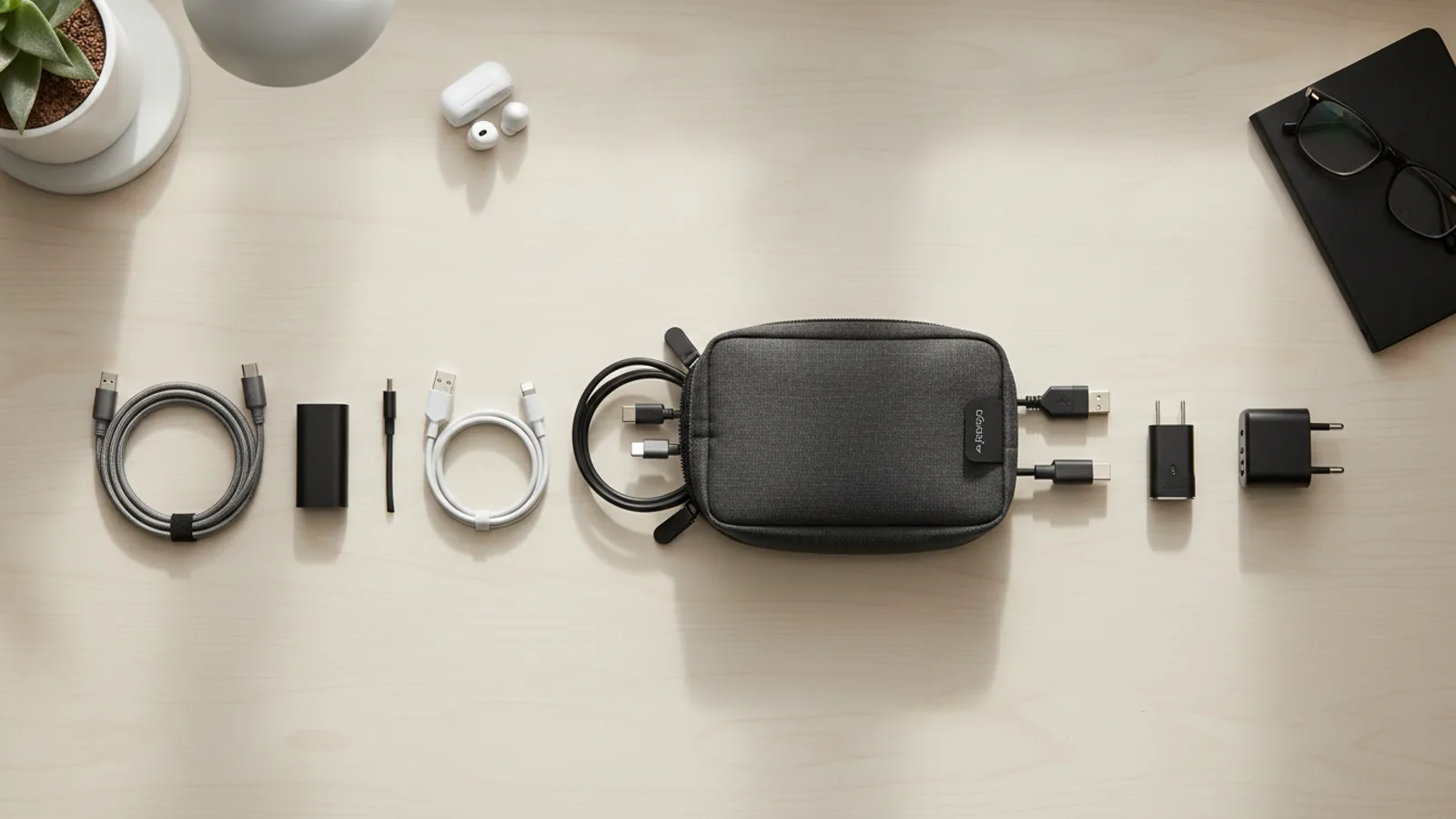
How To Keep A Power Bank Easy To Find In A Day Bag
A practical step-by-step guide to how to keep a power bank easy to find in a day bag, including preparation, instructions, common issues, tips, and next steps.
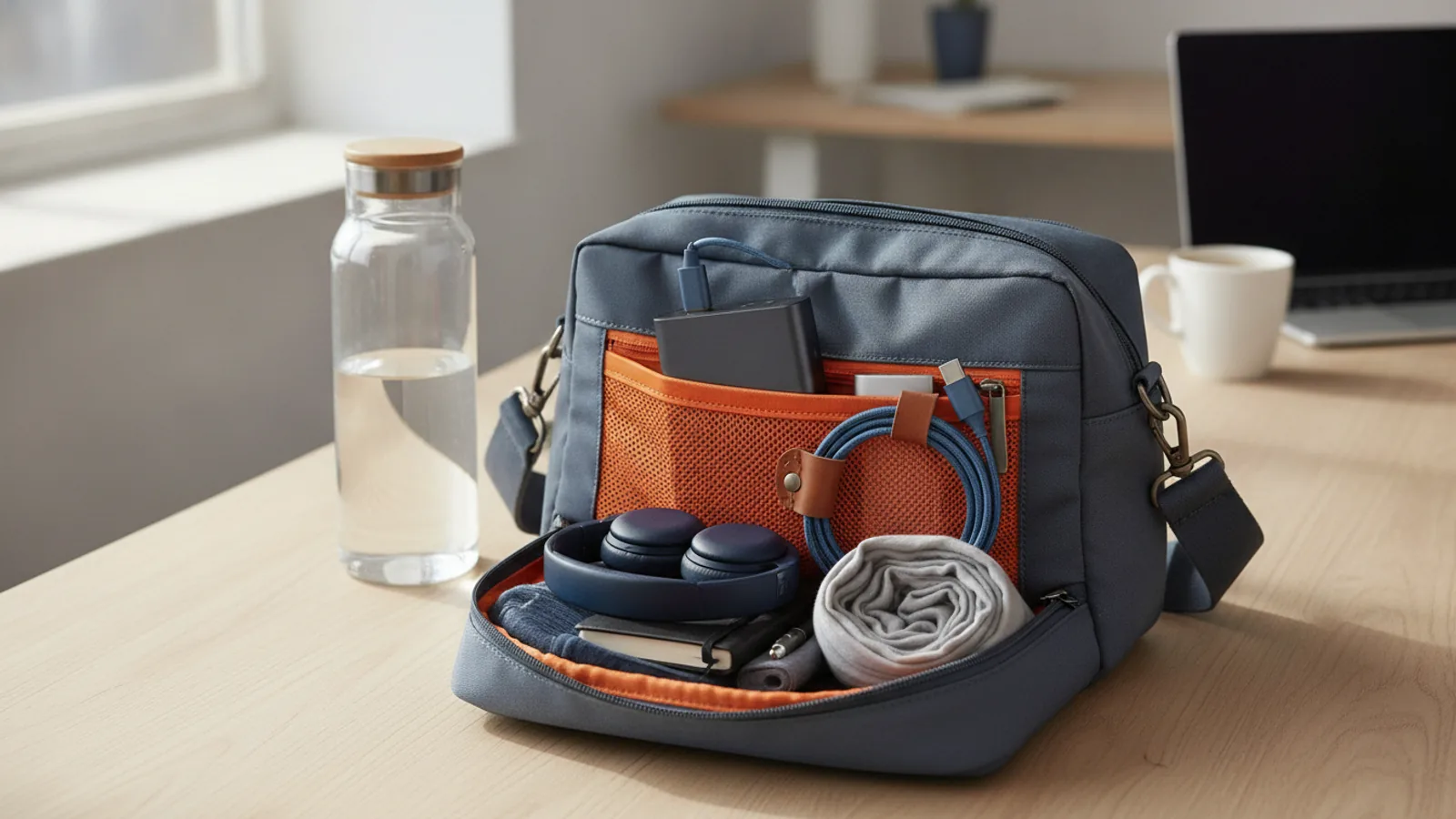
How To Keep A Power Bank Easy To Find In A Day Bag
This guide provides practical, low-cost methods to keep a power bank easy to find in a day bag. It covers choosing a designated pocket, using visual markers, attaching a tether or clip, and building a consistent packing routine. The goal is to save time and reduce frustration when you need a charge quickly, without relying on expensive gadgets or complicated systems. You'll learn how to make your power bank visible, accessible, and predictable, so it's always where you expect it. The steps are simple, adaptable, and focus on building good habits that make a real difference in your daily carry.
Fast Answer
- Use the same small, outer pocket every day and always place the power bank inside it, oriented the same way, so your hand goes to the same spot without thinking.
- Attach a bright colored lanyard or strap to the power bank and let it dangle out of the pocket, or clip it to a bag loop, so it's instantly visible and reachable.
Before You Start
- Find a day bag that has multiple compartments or pockets, including at least one small pocket that is not used for other items, so the power bank can have a dedicated home.
- Choose a pocket that is within easy reach, such as the front pocket or a side pocket, rather than a deep bottom compartment that requires digging.
- Gather small color-coded accessories: a bright zipper pull, a short lanyard, or a keychain ring, to use as visual markers for the designated pocket.
- Decide on a single, consistent orientation for the power bank (for example, cable port facing up) to make insertion and removal feel automatic.
Step-by-Step Instructions
Designate a dedicated pocket
The first step is to choose one specific pocket in your day bag that will always hold the power bank. This pocket should be small enough that the power bank fills most of it, preventing it from sliding under other items. Ideally, it is close to a zipper or flap opening so you do not have to unzip a large compartment each time. For example, a front zip pocket or an inner sleeve inside the main section works well. Once you pick this pocket, commit to using it exclusively for the power bank. This means you need to clear out any other items currently living there. To make this habit stick, place a small colored sticker or a fabric marker inside the pocket to remind you of its purpose. Doing this creates a mental anchor: when you are in a hurry, your hand will go to the same spot automatically. Over a few days, the dedicated pocket becomes a muscle memory, eliminating the frantic searching that often happens when you need a charge. The key is consistency, so even if you are tired, you still put the power bank in the same pocket every time.
Use a bright visual marker
A power bank that blends into the dark interior of a bag is easy to miss. To solve this, attach a bright, eye-catching item to the power bank itself. This can be a neon zipper pull, a bright ribbon, a colorful keychain, or a woven lanyard. The marker should be noticeable at a glance, even in low light. For example, a fluorescent orange strap tied to the power bank's loop or body makes it pop against navy or black bag linings. You can also use a small carabiner clip to attach the marker, which also gives you a way to hook the power bank to a bag loop. When you place the power bank in its dedicated pocket, ensure the marker is visible at the opening, like a flag. This way, you can simply look for the bright color instead of rummaging. Additionally, the marker serves as a handle when you pull the power bank out, making it easier to grab. This one simple tweak can reduce the time spent searching by a significant margin. It also works well for other items you often lose, but here it is focused on the power bank. Choose a marker that is sturdy and not easily detached, so it lasts.
Tether with a carabiner or strap
For ultimate accessibility and to prevent the power bank from sliding deep into the bag, attach a short lanyard or strap to it and then clip that strap to a sturdy loop or D-ring inside the bag. A simple lanyard with a clip works well. To set this up, you can loop a keychain strap through the power bank's lanyard hole if it has one, or use a small zip tie as a temporary loop if there is no hole. Then attach a small carabiner to the strap and clip it to a secure point, such as the zipper pull of the pocket or a webbing loop inside the bag. This way, the power bank stays at the top of the pocket, near the opening, and never sinks to the bottom. When you need it, you can unclip it quickly. Also, because it is tethered, you can pull it out without having to dig. This tethering method is especially useful if your bag has a deep main compartment. Just make sure the tether is long enough to let you pull the power bank out fully, but short enough that it does not tangle with other items. This step turns your power bank into an easy-to-grab tool rather than a hidden object.
Store the cable with the power bank
One of the most common reasons people search for a power bank is because they need the cable too. If the cable is stored separately, you waste time finding both. So, bind the cable to the power bank using a small elastic band, a velcro strap, or a dedicated cable tie. Keep the cable and power bank together as a single unit. When you are ready to put the power bank in its designated pocket, wrap the cable around the power bank once or twice, then secure it with a strap. This way, when you reach for the power bank, you automatically have the cable in hand. Because you keep them together, you never have to think about where the cable is. If you have multiple cables, choose one that you use most often and keep that one with the power bank. This is a small habit that saves you from a frustrating hunt in a cluttered bag. Additionally, some power banks come with a small pouch; if so, keep the cable and the power bank inside that pouch together. The point is to make the power bank and its cable a matching set.
Create a packing routine
A consistent packing routine is the only way to ensure the power bank and its tether remain in the right place. Every time you pack your bag, whether for a full day or just a short errand, make a specific step of placing the power bank in its dedicated pocket after you finish using it. Do not wait until you are home or until you need it next time. For example, when you get home, take the power bank out of your pocket and put it back in its spot in the bag immediately. If you used it during the day, recharge it in the evening, and then return it to its pocket. Also, if you remove the power bank to use it, always put it back as soon as you are done. This routine builds a reliable habit. Over time, you will not even think about it; your hand will automatically store it in the right place. A good check is to make a mental scan of your bag's contents before leaving the house, but with a routine, you will not need to. The routine minimizes the chance of leaving the power bank at home or losing it in the chaos of a busy day.
Do a weekly reset
Even with a consistent routine, items can migrate or get knocked out of place. So, once a week, take a few minutes to empty your day bag completely. This is a reset. Check every pocket, especially the one designated for the power bank. Remove any lint, crumbs, or debris that might have accumulated. Then, re-evaluate whether the power bank is still in its designated spot and is in good condition. If you find it in a different pocket, put it back and think about why it ended up there. Maybe the original pocket is too hard to reach, or a new item you carry is forcing it out. Adjust your system if needed. Also, this is a good time to check the power bank's charge level, especially if you have not used it for a few days. A weekly reset ensures that your system stays effective. It also gives you a chance to clean the cable and the power bank's ports to prevent dirt from affecting performance. This small maintenance effort keeps your bag organized and your power bank functional.
Quick Reference
| Situation | Action | Why it helps |
|---|---|---|
| You are in a hurry and need to grab the power bank from your bag before heading out. | Open the designated pocket – which you have marked with a bright zipper pull – and you can see the power bank's neon strap immediately, so you can pull it out in one quick motion without digging. | Having a dedicated, clearly marked pocket with a visual marker eliminates decision-making and searching, allowing you to retrieve the power bank in seconds even under time pressure. |
| You are out for the day and need to charge your phone while sitting in a cafe or on a bench. | Unclip the tether that keeps the power bank attached to the bag's loop; then use the power bank while it is still tethered to the bag, so you do not have to hold it or risk leaving it on the table. | A tether keeps the power bank secured to your bag, preventing it from being forgotten or accidentally left behind, while still allowing you to use it comfortably. |
| You are digging through your bag to find a power bank and you cannot see it because it is dark inside. | Feel for the bright reflective ribbon tied to the power bank; because the ribbon is attached to the power bank, you can grasp it and pull the power bank out easily, even in low light. | A tactile and visual marker makes the power bank identifiable by touch, which is especially helpful in dark bags or when you are in a dim room. |
Common Issues
- The power bank keeps sliding to the bottom of the deep main compartment, even though you put it in the designated side pocket.: Check if the designated pocket is actually the same size as the power bank. If not, use a padded pouch or a small box to hold the power bank within that pocket so it stays at the top. Alternatively, attach a lanyard to the power bank and clip it to the pocket's zipper so it remains suspended near the opening.
- You forget to put the power bank back in its dedicated pocket after using it, so you often leave it out on a desk or in a coat pocket.: Create a strong trigger: after finishing charging, say out loud 'back in the pocket' and immediately place the power bank in its spot. Also, always keep the dedicated pocket easy to use – if it is cramped, make it more accessible. You can also attach a small retractable key ring to the bag so the power bank can be pulled out and then automatically returns to its place.
- The bright marker or ribbon keeps coming off or is not visible because the pocket is too deep.: Make the marker longer: use a 10-15 cm lanyard instead of a small keychain, and place it so the loop extends out of the pocket's zipper. For a deep pocket, attach the lanyard to the bag's interior loop so the power bank hangs near the top. Use a secure knot or a small clip to ensure the marker stays attached.
Advanced Tips
- If your bag has a dedicated laptop sleeve, place the power bank in the sleeve's outer slot if it fits – it gives you a stable, quick-access spot without extra tools.
- Use a small hook or Velcro patch inside your bag that the power bank can attach to, turning the bag's interior into a customizable storage panel.
- For bags with multiple sections, put the power bank in the section you open first – for example, if you always open the front flap, put it there – and keep the cable coiled with a rubber band around the power bank.
Final Checklist
- I have selected one dedicated pocket for the power bank and cleared it of other items.
- I have attached a bright marker and a carabiner/tether to the power bank for visibility and easy grab.
- I have bound the charging cable to the power bank with a strap so they are always together.
- I have established a routine to always return the power bank to its pocket and I do a weekly bag reset.
FAQ
What if my power bank is too heavy to hang from a lanyard?
It is generally safe to use a lanyard, but if your power bank is heavy, make sure the lanyard is strong and the attachment point on the bag is solid. Test it by gently tugging. Alternatively, use a small pouch inside the pocket to keep the power bank upright. You do not have to hang it; you can place it in a pocket and use a Visual marker to find it.
How do I keep the power bank from getting scratched in the bag?
A dedicated pocket reduces movement, but to protect the surface, place the power bank in a soft sleeve or pouch with a drawstring. You can also use a microfiber cloth to wrap it before insertion. This does not affect visibility if you still attach a bright marker to the pouch.
Can I use these tips for any type of bag, like a tote or a backpack?
Yes, these tips are universal. For a tote with no pockets, use a small organizer pouch or a key clip that attaches to the tote's handle. For a backpack, use the small front pockets or side pockets. The key is to designate a spot and make it visible, no matter the bag style. If your bag has no interior loops, you can sew on a small D-ring or use a clip that grabs the zipper.