How To Keep A Travel Adapter Useful After The Trip Is Over
A practical step-by-step guide to how to keep a travel adapter useful after the trip is over, including preparation, instructions, common issues, tips, and next steps.

How To Keep A Travel Adapter Useful After The Trip Is Over
A travel adapter is often packed away and forgotten once a trip ends, but with a little care it can stay useful for years. This guide explains how to clean, inspect, store, repurpose, and maintain your adapter so it remains ready for future journeys or everyday tasks. You will learn practical ways to prevent damage, keep cables tidy, and even turn the adapter into a handy power source for small electronics. By following these steps, you can extend the life of your travel companion and avoid the frustration of a broken adapter when you need it most.
Fast Answer
- Give your travel adapter a thorough cleaning and inspection after each trip, removing dust, grime, and any debris from the prongs and ports, then check for cracks or loose parts.
- Store the adapter in a dry, cool place inside a protective case or pouch, with cables loosely coiled, and repurpose it at home as a spare charger for low-power devices.
Before You Start
- Gather a soft, dry microfiber cloth and a small, soft brush (like a clean paintbrush or toothbrush) to remove dust and debris from the adapter's exterior and ports.
- Prepare a small container of rubbing alcohol (isopropyl) and a cotton swab or lint-free cloth for deeper cleaning of stubborn grime, but check the adapter's manual first to ensure it's safe.
- Find a sealable plastic bag or a small, rigid case with padding to store the adapter and its cables, protecting them from moisture, dust, and physical damage.
- Have a multimeter or a simple USB voltage tester on hand if you want to verify the adapter still outputs electricity correctly after cleaning.
Step-by-Step Instructions
Unplug and Give It a Visual Check
After your trip, take the adapter out of your bag and unplug it from the wall and any devices. Hold it under a bright light and inspect the entire surface, including the prongs, the body, and the USB or other ports. Look for cracks, chips, bent prongs, or any signs of wear. Also check the cable (if it has one) for fraying or kinks. This initial check helps you spot damage that could make the adapter unsafe or unreliable. If you see anything questionable, like a cracked casing or a loose plug, do not use it. Replace it or get it professionally repaired. A quick visual once-over now can prevent a short circuit or a failed charge later. It also tells you exactly what needs cleaning or fixing before you store it.
Clean Away Dust and Grime Gently
Use your soft, dry cloth to wipe the outside of the adapter, removing dust and fingerprints. For the prongs and inside the ports, use the small brush to dislodge any debris. If there is sticky residue or dirt that won't come off, lightly dampen a cotton swab with rubbing alcohol and gently rub the affected areas. Do not let any liquid drip into the ports. After cleaning, let the adapter air dry completely for at least an hour. Keeping the adapter clean ensures good electrical contact and prevents overheating. Dust and grime can build up on the prongs and cause poor contact, leading to sparking or reduced charging speed. A clean adapter also looks better and lasts longer, so it's ready for your next trip.
Test the Adapter's Output Safely
Before storing the adapter, plug it into a surge-protected power strip or a wall outlet and check that it works. If the adapter has a USB port, plug in a low-power device like a phone or a battery pack and see if it charges. Alternatively, use a USB voltage tester to measure the output. If it does not work, check the fuse (if replaceable) and the cable. Sometimes a blown fuse is the culprit, and you can replace it easily. Testing now saves you from discovering a dead adapter when you are about to leave on your next trip. It also confirms that your cleaning didn't accidentally damage any components. If the adapter fails to work, consider recycling it and getting a new one, but first double-check that the outlet you used is functional.
Dry Store the Adapter Properly
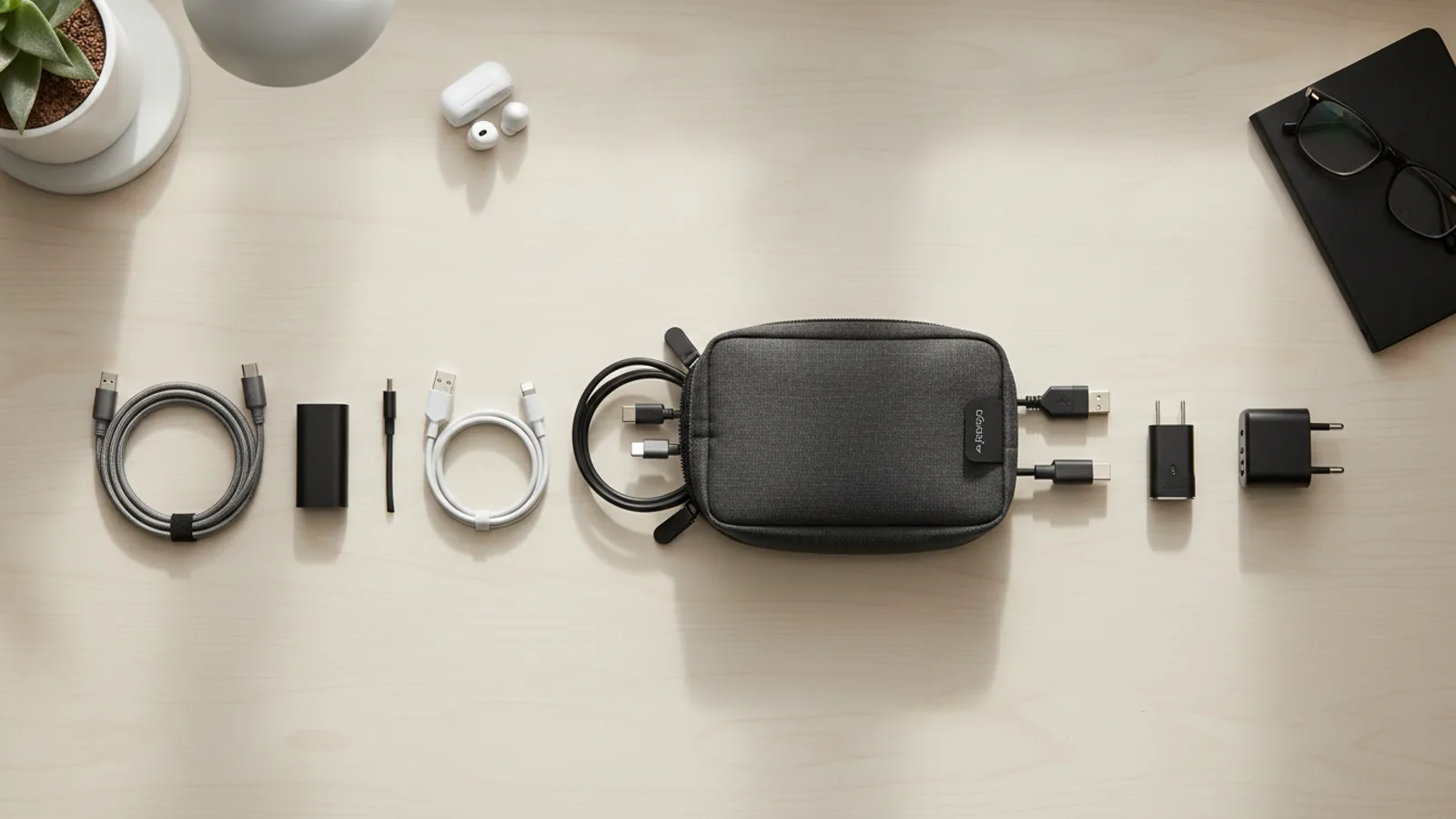
Once the adapter is clean and dry, place it in a sealable plastic bag or a small case. Add a desiccant packet if you have one, like those that come in shoe boxes or electronics packaging, to absorb any moisture. Coil any cables loosely, avoiding tight bends, and put them in the bag with the adapter. Store the bag in a cool, dry place away from direct sunlight, extreme heat, or freezing temperatures. A drawer, a shelf, or a travel organizer works well. Storing the adapter in a protected, dry environment prevents rust, corrosion, and plastic degradation. Moisture and temperature swings can damage the internal components and the prongs, so a stable environment extends the adapter's life. Proper storage also keeps the adapter from being crushed or scratched.
Repurpose It as a Spare Charger at Home
Don't let your travel adapter sit unused. Plug it into a power strip in a home office, bedroom, or kitchen and use it to charge devices like a phone, e-reader, or Bluetooth speaker. Keep it in a place where it's handy for everyday charging. Because travel adapters are often compact, they are perfect for small spaces. Just make sure you only use it with devices that match its electrical rating (voltage and current). Using it as a spare reduces wear on your primary chargers and gives you a backup if they fail. It also makes the adapter part of your daily routine, so you'll notice if it starts acting up, giving you time to replace it before your next trip.
Keep a Maintenance and Travel Log
Create a simple log (a notebook page or a note on your phone) where you record each trip and the adapter's performance. Note any issues, such as loose connections or overheating, and what you did to fix them. Also list the devices you used it with and any peculiarities. This log helps you track patterns and anticipate when the adapter might need replacement. For example, if you notice that the adapter gets warm more often than before, that could be a sign of wear. By keeping records, you turn a simple tool into a well-documented asset. You also create a reference for what to buy next time if you need a new adapter. Over time, this habit ensures your travel gear stays in top condition.
Quick Reference
| Situation | Action | Why it helps |
|---|---|---|
| You return home from a trip and notice the adapter has dust and sand in the USB port. | Use a soft, dry brush or a can of compressed air to gently remove debris from the port, then wipe the outside with a dry cloth and let it air out. | Keeping the port clean ensures a solid connection and prevents short circuits or poor charging performance later. |
| The adapter's prongs appear slightly bent or misaligned after being tossed into a bag. | Do not force the prongs back into place. Instead, gently use a pair of pliers to straighten them if they are metal, but if they are cracked or loose, replace the adapter. | Bent prongs can break off inside an outlet, cause arcing, or create an unsafe connection, so correcting them early avoids damage or injury. |
| You find a spare travel adapter in a drawer and want to know if it's still functional for your next trip. | Plug it into a surge protector and test it with a USB device or a voltage tester to confirm it produces the correct output, then inspect the prongs and casing for wear. | Testing ahead of time ensures the adapter works when you need it and reduces the risk of failure while traveling. |
Common Issues
- The adapter gets warm to the touch during normal charging.: Unplug it and let it cool. If it continues to overheat, stop using it and check if the device it's charging is compatible. Clean the ports and prongs, as dust can cause resistance and heat. If the problem persists, replace the adapter.
- The adapter won't fit snugly into a power outlet, or it falls out easily.: Check if the prongs are bent or worn. Gently straighten them with pliers if needed, but if they are loose, the adapter is likely worn out. Replace it with a new one that has a secure fit.
- The USB port on the adapter has stopped working, but the adapter seems to be receiving power.: Unplug the adapter and inspect the port for debris or damage. Use a dry cotton swab to clean it. If it still doesn't work, the internal circuit may be faulty, so recycle the adapter and purchase a replacement.
Advanced Tips
- If your travel adapter has a replaceable fuse, keep a few spare fuses in your luggage so you can quickly swap one out if it blows.
- Use a small cable tie or velcro strap to keep the cable neatly coiled without putting stress on the connector ends.
- Consider labeling your adapter with a piece of tape and a permanent marker with your name or initials, so it doesn't get mixed up with others in a household or office.
Final Checklist
- Clean the adapter thoroughly and inspect it for any cracks, bent prongs, or frayed cables before storing.
- Test the adapter with a known-working device or voltage tester to ensure it still functions correctly.
- Store the adapter in a dry, cool place inside a protective pouch or bag with a desiccant packet.
- Repurpose the adapter as a spare charger at home or keep a maintenance log to track its condition over time.
FAQ
How often should I clean my travel adapter?
You should give your travel adapter a quick cleaning and inspection each time you return from a trip, especially if you visited dusty or sandy environments. A deeper cleaning with rubbing alcohol can be done every few months or whenever you notice sticky residue or visible grime. Regular cleaning prevents dust from building up on the prongs and ports, which can cause overheating or poor connections.
Can I use my travel adapter as a regular charger at home?
Yes, you can use a travel adapter as a spare charger at home, as long as its output matches your device's requirements. Most travel adapters are designed to work with standard USB devices, so they can charge phones, e-readers, and other gadgets. Just make sure the adapter's voltage and current ratings are suitable for the devices you connect. It's a great way to keep the adapter in use and ensure it's always ready for your next trip.
What is the best way to store a travel adapter when not in use?
The best way to store a travel adapter is in a dry, cool place, such as a drawer or a travel organizer, inside a sealable plastic bag or a small padded case. Add a desiccant packet to absorb moisture and prevent corrosion. Keep the cable loosely coiled and avoid bending it tightly. This protects the adapter from humidity, temperature changes, and physical damage, extending its lifespan.