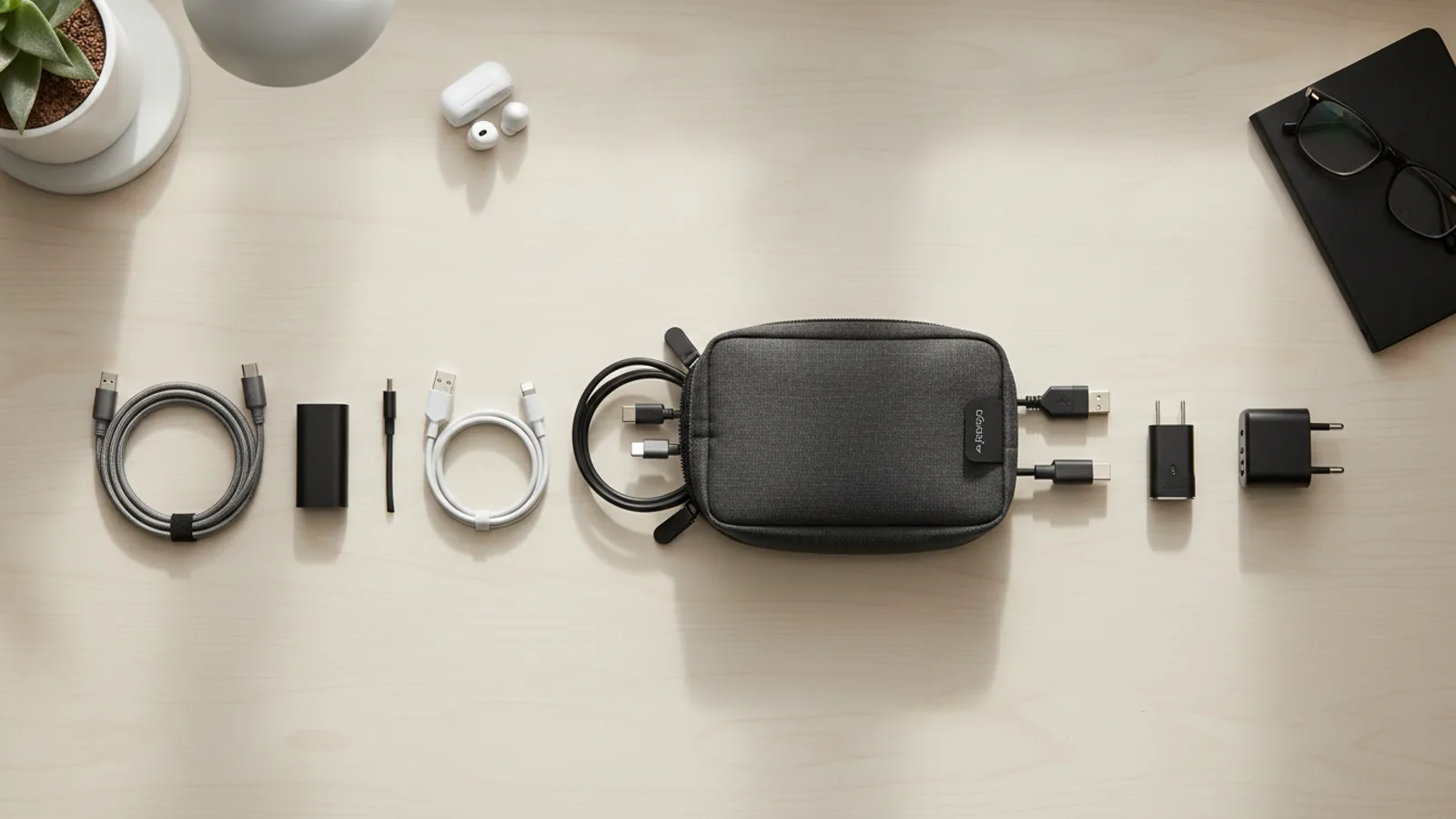
How To Make A Low Friction Morning Setup With The Tools Already At Home
A practical step-by-step guide to how to make a low friction morning setup with the tools already at home, including preparation, instructions, common issues, tips, and next steps.
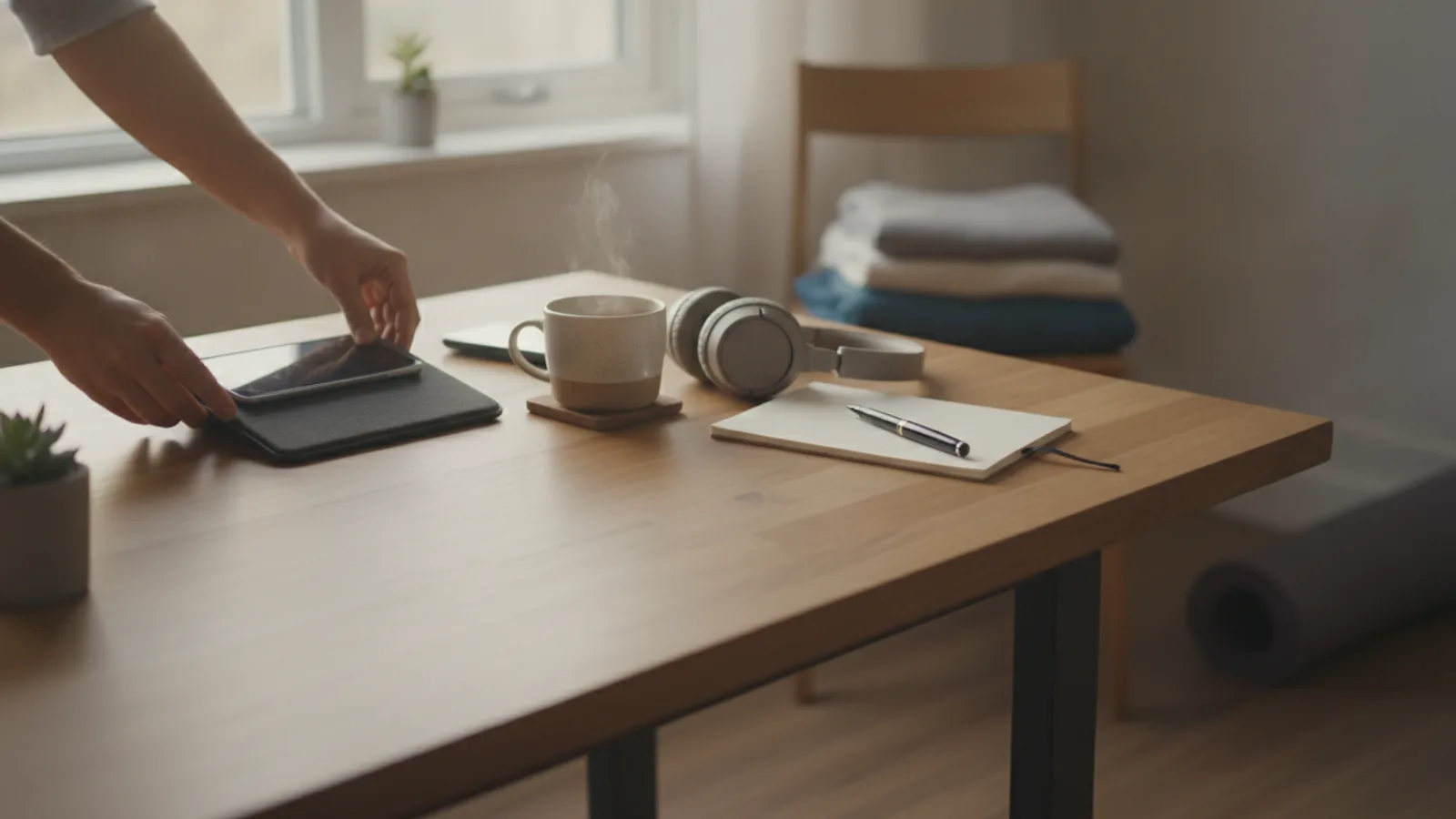
How To Make A Low Friction Morning Setup With The Tools Already At Home
Create a smooth, low-friction morning routine using common household items and a few simple habits. This guide helps you reduce decision fatigue, save time, and start your day with calm and clarity. By focusing on preparation, light movement, hydration, and a simple breakfast, you can make your mornings easier without buying special equipment. Each step is practical and uses things you likely already own, like a glass of water, a notepad, and a comfortable chair. The goal is to set up your environment and mindset so that your morning feels automatic and stress-free, leading to better productivity and well-being throughout the day.
Fast Answer
- A low-friction morning starts the night before: lay out clothes, prepare breakfast items, and write a short to-do list so you can move on autopilot.
- Keep your morning simple: drink water, do a quick stretch, and eat a balanced snack—using only items you have at home, no need for new gadgets.
Before You Start
- Choose a specific spot in your home (like a kitchen counter or a corner of your bedroom) where you will place your morning essentials the night before.
- Set out a glass and a water bottle or jug so you can hydrate first thing without searching for a cup.
- Prepare a small tray or basket with non-perishable breakfast items like oats, nuts, or dried fruit, so you can assemble a quick meal in minutes.
- Lay out your clothes and any needed items (like a bag or keys) in a visible place, so you don't have to think about them in the morning.
Step-by-Step Instructions
Prepare Your Space the Night Before
The key to a low-friction morning is to do the thinking in advance. Before you go to bed, spend five minutes making your morning easier. First, clear the surface where you will have breakfast—wipe it down so it's clean and inviting. Next, place a clean glass or water bottle at that spot, along with a bowl or plate that you'll use. If you have a kettle or a coffee maker, fill it with water and set it up so one press or flip starts it. Then, put a notepad and a pen there to jot down any thoughts or tasks that come to mind in the morning. This visual cue makes it obvious what to do first when you wake up. Finally, glance at the area to ensure everything is in its place. Doing this small setup will save you time and reduce decision-making, because your environment is already guiding you toward your routine. This check matters because a tidy, prepared space reduces friction and helps you start the day without a mental load.
Wake Up and Hydrate Right Away
When you first get out of bed, your body is slightly dehydrated, and your brain needs water to function well. So, make it a habit to drink a full glass of water before you do anything else. To make this effortless, have your water bottle or glass already filled from the night before, placed next to your bed or in your bathroom. As soon as you stand up, reach for it and drink slowly. This simple act kick-starts your metabolism, helps you feel more alert, and prevents the grogginess that often comes with waking up. After you finish the water, you can proceed to the bathroom or start your stretching. If you prefer warm water with lemon, you can prepare that too, but plain water is perfect. The check here is to drink at least eight ounces before any caffeine. This matters because hydration is essential for concentration and energy, and starting with water ensures you are not reaching for coffee on a dry stomach, which can cause jitters later.
Do a Quick Ten-Minute Move
Gentle movement helps wake up your muscles, improve blood flow, and signal to your body that the day has started. You don't need special gear; a simple stretch or a short walk around your home is enough. Begin by standing tall and raising your arms overhead, reaching for the ceiling. Then, slowly bend forward to touch your toes, letting your head hang heavy. Hold this for a few breaths. Next, do a few shoulder rolls and neck stretches. If you have a sturdy chair, you can do a few chair squats or use it for balance. The goal is to get your blood moving, not to break a sweat. After about ten minutes, you'll feel more awake and alert. The check is to ensure you are moving all major joints—shoulders, hips, knees, and ankles. This matters because a sedentary morning can leave you feeling stiff and lethargic, whereas light movement primes your body and mind for the day ahead.
Prepare a Simple Breakfast with Staples
A balanced breakfast gives you steady energy, but it should be quick and easy. Use ingredients you already have, such as oatmeal, eggs, whole grain bread, yogurt, fruit, or nuts. For example, you can make overnight oats the night before: combine oats, milk or water, and a pinch of salt in a jar, then add berries or nuts in the morning. Or scramble two eggs in a nonstick pan while toasting a slice of bread. The goal is to have a meal that includes protein, fiber, and some healthy fat, like eggs with avocado or peanut butter on toast. Keep it simple—no elaborate recipes. Preparing breakfast should take no more than ten minutes. The check is to verify that your meal has at least two food groups and doesn't rely on sugary cereals that cause energy crashes. This matters because a nourishing breakfast stabilizes your blood sugar, so you can think clearly and avoid mid-morning hunger.
Write a Short To-Do List for the Day
Taking a few minutes to write down your tasks helps you prioritize and reduces the mental clutter that can slow you down. Use the notepad you placed on your breakfast spot, or a small journal if you have one. Write down three to five things you want to accomplish today, starting with the most important or most pressing task. Be specific, like 'finish the report' or 'call the dentist', instead of vague items like 'work'. After writing, briefly review the list and decide what you will do first. This simple act of writing clarifies your intentions and gives you a roadmap, so you don't waste time trying to decide what to do next. The check is to ensure that your list is short and achievable—if you have more than five items, pick only the top three and move the rest to another day. This matters because an overwhelming to-do list can cause anxiety and procrastination, while a focused list keeps you on track.
End with a Calming Five-Minute Reset
After you have hydrated, moved your body, eaten, and planned your day, take a final five minutes to reset your space and mind. This means washing your dishes or putting them in the sink, wiping the counter, and returning items to their storage spots. Then, take a few slow, deep breaths while sitting comfortably. You can close your eyes and focus on your breathing, or simply look out a window and observe the sky. This moment of calm helps you leave your home feeling centered and ready. The check is to ensure that your morning area is tidy and you feel a sense of ease before you move on to work or other responsibilities. This matters because ending your routine with order and mindfulness prevents the chaotic feeling that often comes from rushing out the door, and it sets a positive tone for the rest of your day.
Quick Reference
| Situation | Action | Why it helps |
|---|---|---|
| You wake up and feel groggy and disoriented. | Reach for the water bottle you placed next to your bed and drink it slowly while sitting up. Then, take five deep breaths before standing. | Hydration and oxygen will help your brain wake up, and the few extra moments prevent dizziness and give you a gentle start. |
| You are tempted to check your phone right away. | Leave your phone in another room overnight or place it face down and out of reach, so you get out of bed to turn it off. | Avoiding early screen time reduces stress and prevents you from getting sucked into notifications, which can derail your morning focus. |
| You often skip breakfast because you feel rushed. | Keep a small bowl of trail mix or fruit on the counter, and grab it as you head out the door if you can't sit down. | Having a ready-to-eat snack ensures you still have energy for the morning, even if you don't have time for a full meal. |
Common Issues
- You keep forgetting to fill the water bottle the night before.: Create a reminder by placing the empty bottle with a sticky note that says 'Fill me' on your kitchen counter or next to your toothbrush.
- You find yourself spending too much time on breakfast because you can't decide what to eat.: Have a rotation of two or three simple breakfasts that you alternate. Write them on a small index card and attach it to the fridge so you can pick automatically.
- You often feel overwhelmed by your to-do list and don't know where to start.: Limit your list to exactly three tasks, and mark the most critical one with an asterisk. Begin with that task after your morning reset to build momentum.
Advanced Tips
- Create a 'morning playlist' of soft, upbeat songs that you play only on workdays to signal your brain that it's time to get moving.
- Use a simple habit stack: pair your new habit of drinking water right after stretching, so one routine naturally leads to the next.
- If you have a window, open the curtains or blinds to let in natural light, which helps regulate your internal clock and boosts alertness.
Final Checklist
- Did I set out my clothes, water, and breakfast items the night before?
- Did I drink a full glass of water within ten minutes of waking up?
- Did I do a gentle ten-minute stretch or move my body?
- Did I write a short list of three to five top priorities for the day?
FAQ
What if I don't have a water bottle or a glass at hand?
Use any clean cup or mug that you already have. You can even use a mason jar if you have one. The key is to fill it with water the night before and place it within arm's reach of your bed or in the bathroom.
Can I still have coffee or tea during my morning routine?
Yes, but it's best to drink a glass of water first to rehydrate. Then, you can enjoy your coffee or tea as part of your breakfast. To keep it low friction, prepare your coffee maker or kettle the night before so it's ready to start.
What if I have a very small living space?
A small space is fine. You can use a small tray that you store under your bed or in a cabinet, and pull it out in the morning. Alternatively, use one corner of your desk or a windowsill. The idea is to designate a visible spot, even if it's tiny.