How To Make A Shared Kitchen Table Work For Focused Laptop Sessions
A practical step-by-step guide to how to make a shared kitchen table work for focused laptop sessions, including preparation, instructions, common issues, tips, and next steps.
How To Make A Shared Kitchen Table Work For Focused Laptop Sessions
This guide explains how to turn a shared kitchen table into a productive workspace for focused laptop sessions, even with family or roommates around. You'll learn to set clear boundaries, organize your materials, manage noise and interruptions, and keep the space welcoming for everyone. The steps cover preparing the table, communicating your needs, minimizing distractions, maintaining hygiene, and wrapping up cleanly. By following this approach, you can enjoy deep work at home without damaging relationships or making the kitchen unusable for others.
Fast Answer
- Set a clear start and end time for your session, and tell everyone who shares the table exactly when you need it quiet and unused.
- Gather all your gear into a portable caddy before you start, so you can set up quickly and clear away completely when done.
Before You Start
- Choose a session window during a time when the kitchen is least busy, such as early morning or after dinner, and announce it to household members.
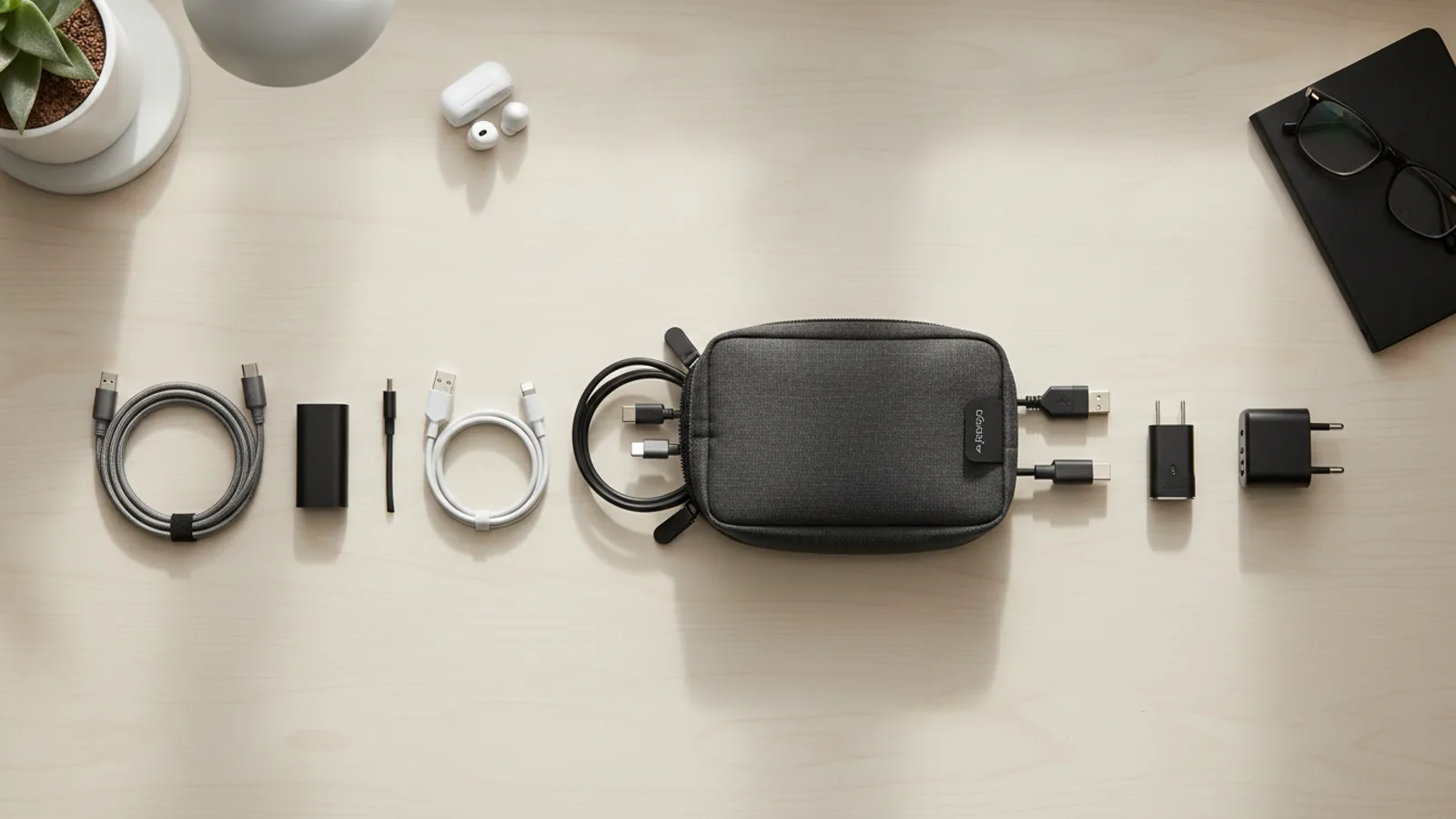
- Collect everything you need—laptop, charger, notebook, pens, water bottle, and headphones—into a small bin or tote so you can carry it to the table in one trip.
- Wipe the table surface with a damp cloth and let it dry completely to create a clean, non-sticky area for your laptop and papers.
- Decide on a signal for 'do not disturb,' like wearing headphones or placing a small sign, and make sure everyone understands what it means.
Step-by-Step Instructions
Define Your Focus Window and Announce It
Start by deciding exactly how long you need the table for focused work—maybe 60 to 90 minutes. Look at the household's usual rhythm to pick a slot that won't collide with cooking or eating times, such as mid-morning after breakfast cleanup or mid-afternoon before dinner prep. Once you choose, tell everyone who uses the kitchen. You could say, 'I'm using the table from 2 to 3:30 for a focused session. I need it clear and quiet.' If you live with others, ask if they have any conflicts. This heads-up lets them plan around you. After announcing, write the times on a small whiteboard or sticky note and place it near the table as a reminder. The check here is to confirm that no one objects and that you can realistically commit to ending on time. This matters because a clear start and end prevents the table from becoming an indefinite occupation, which is the fastest way to cause friction in a shared space.
Clear the Table to a Bare Surface
Before you sit down, remove everything from the table that belongs to others—mail, fruit bowls, condiments, dishes, or decorations. Place these items neatly on a counter, shelf, or in a box that you'll return them to when you're done. This both gives you a physical workspace and signals to others that the table is temporarily yours. Check all corners and edges for stray items like napkins or pens that might get in your way. If the table has a leaf or extension, decide whether you need it fully extended or can manage with just one side. The purpose is to create a flat, empty zone where your laptop and papers can sit without clutter. A clean surface also prevents scratching your laptop or having a coffee cup tip over. After clearing, step back and visually verify the entire surface is empty. This matters because a cluttered table invites interruptions and makes it harder to focus, and it respects the shared nature of the space by showing you'll clear up completely.
Assemble Your Portable Workspace Kit
Instead of hauling items individually, use a carrying caddy or tote to keep everything in one place. Your kit should include your laptop, charger, a notebook or scratch paper, pens, a water bottle, and any other essentials like earbuds or a mouse. Arrange them so you can unpack quickly and pack up even faster. Place the caddy under your chair or on the floor next to you, not on the table itself, to keep your work surface open. Before you start, plug in your charger if your laptop needs it—do this before you get absorbed in work so you don't have to get up mid-session. Check that you have all the files or materials you need, either open on your screen or printed. Having a kit also makes it easy to relocate if you need to move mid-session. The check is to zip the bag or close the tote, confirming nothing is left behind. This matters because a portable kit reduces setup time and makes it more likely you'll respect the table by clearing out promptly when you finish.
Set Up Noise and Distraction Barriers
Kitchens are naturally noisy with appliances, footsteps, and conversations. Decide what level of sound you can tolerate. Put on noise-cancelling headphones or earbuds and play ambient music or white noise at a low volume, but keep one ear slightly uncovered if you need to hear an important call or a child's cry. If you prefer silence, close the kitchen door if there is one, or position your chair so you face away from the main traffic path. Also, turn off notifications on your laptop and phone, or put the phone in a drawer. Let household members know that when you wear your headphones, you're in focus mode and shouldn't be interrupted unless it's an emergency. Use a simple visual cue like a paper napkin placed upright against your laptop screen. The key check is to verify that you can't hear normal kitchen noises like the refrigerator hum or running water. If you can, adjust your headphones or move to a quieter corner. This matters because uncontrolled noise is one of the biggest focus killers, and a shared space requires proactive management.
Establish Ground Rules with Household Members
Before you begin your session, have a quick face-to-face conversation with anyone else in the home. Say something like, 'I need focused time for the next hour. Please don't start cooking or cleaning the kitchen until I'm done, and if you need to talk, wait until I take off my headphones.' If children are present, ask them to play in another room. If you share the space with roommates, agree on a code word or a small sign you can place on the table to indicate 'busy'. Also, tell them when you'll finish and that you'll clear the table right away. You might even set a timer on your phone and place it face-down, so you can honor the deadline. The validation check is to ask each person to repeat back when your session ends to confirm they understood. If anyone has a conflicting need, renegotiate a different time rather than insisting. This matters because clear expectations prevent awkward interruptions and build trust, making the shared table workable for future sessions.
End Your Session and Restore the Table
When your timer goes off, stop immediately and begin cleanup. Unplug your charger and pack your laptop and papers into your kit, then take the kit to your room or a shelf. Return any items you moved from the table to their original spots, such as the fruit bowl or mail. Wipe the table surface with a damp cloth to remove any crumbs or smudges, and dry it with a towel. Look around to make sure you haven't left any personal belongings on the table or chairs. Finally, thank anyone who respected your space, and flip your sign to the green side. The check is to run your hand over the table to feel for any sticky spots and glance at the chair you used to see if you left anything. This matters because leaving the table as you found it is a sign of respect that keeps the peace, and it makes it more likely your household will support your next focused session.
Quick Reference
| Situation | Action | Why it helps |
|---|---|---|
| Someone starts cooking a meal in the middle of your focus session. | Pause your work, politely remind them you're still using the table until your stated end time, and ask if they can wait or use a different countertop. | Addressing the conflict calmly prevents resentment and shows you respect both their needs and your own boundaries. |
| A household member needs to use the table urgently for a project or meal. | Offer to pause your session for ten minutes, move your kit to a side counter, and help them clear the table quickly. | Flexibility keeps relationships strong and ensures the table remains a shared asset, not a contested territory. |
| You realize your laptop battery is low and you left the charger in another room. | Take a one-minute break, get your charger from your kit, plug it in near the table, and resume immediately. | Quickly retrieving the charger prevents a longer interruption and avoids wasting your remaining battery on a search. |
Common Issues
- The table is still cluttered with dishes or groceries when you want to start.: Before your session, ask if you can clear the table for an hour. Put dishes in the sink or dishwasher, move groceries to a counter, and wipe the surface. If others are present, enlist their help to speed up the clearing.
- You keep getting interrupted by people asking questions or wanting to chat.: Reinforce your 'do not disturb' signal by wearing headphones and placing a note or sign that says you're unavailable until a specific time. If interruptions continue, have a gentle conversation about respecting your focus window and rehearse a polite response.
- Your laptop keeps slipping on the smooth table surface or getting overheated.: Place a small non-slip mat or a cloth underneath your laptop to stop sliding. To help with heat, raise the laptop on a stand or book so air flows underneath, and avoid sitting in direct sunlight near a window.
Advanced Tips
- Use the same table spot each time you have a session, so your brain starts associating that location with focused work, triggering a quicker 'flow state'.
- Implement a 'quiet hours' agreement with your household: schedule two or three set time blocks during the week when the kitchen is designated as a do-not-disturb zone for everyone's deep work or reading.
- Keep a small whiteboard on the table to jot down your session goals and any 'wait until later' thoughts, so you don't lose track but also don't break focus to act on them.
Final Checklist
- I have chosen a specific time slot and announced it to everyone in the household.
- I have gathered all my materials into a portable kit and cleared the table completely.
- I have set up my noise barriers, silenced my phone, and informed others of my 'do not disturb' signal.
- I have ended my session on time, packed up my items, and wiped down the table to its original state.
FAQ
What if I don't have a private space and the kitchen is the only quiet area?
Even in a busy kitchen, you can make it work by scheduling your session during off-peak hours, using headphones to block noise, and clearly communicating with household members. You can also consider using a foldable lap desk on a corner of the table to minimize your footprint. Remember to be flexible—if someone genuinely needs the table, pause and take a short break rather than causing conflict.
How can I avoid taking up too much space with my laptop and papers?
Use a compact laptop stand or a thin notebook instead of spreading out lots of materials. Keep your workspace limited to a small tray or a laptop sleeve that defines the boundary. If you need reference documents, open them on your computer screen rather than printing them. Always be aware of how much table surface you're using and try to keep it under a quarter of the table's total area.
What should I do if household members keep forgetting my schedule?
Create a simple weekly visual schedule on a fridge or wall, and mark your focus sessions in bright color. Post a sign on the table itself that you flip to 'do not disturb' during your block. Remind people when you set up, and thank them when they remember. Consistency will help them learn your routine. If they still forget, have a gentle conversation about how important focused time is for your work.